
6Early Signs of HIV Infection
When the virus attacks, it may do so stealthily at first, then more vigorously as it progresses. There are many signs and symptoms attributed to HIV, but not every infected person experiences them. Therefore, it isn’t odd that symptoms differ from person to person. The first few weeks of the infection are very important. That is the period when most people get to experience and notice some tell-tale signs of the infection, which usually take the form of flu-like disease symptoms.
Fever: When you run a temperature for several nights up to a week, it could be a sign of the beginning of an HIV infection. This should be taken seriously if the fever fails to respond to normal medication and treatment for fever.
Chills: The early days of infection come with chills that leave you wondering what is causing them, even under warm conditions. When you notice this in combination with a few of the symptoms listed here, you should go for an HIV test as soon as possible to protect your health.
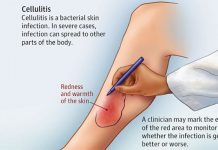
Rash: Rashes on the skin can be symptoms of any other infections. It can be a result of the weather, or perhaps an allergy. However, at the onset of HIV infection, rashes break out on the skin of the Infected person, within a few weeks of infection. This is not always the case since some people don’t show symptoms.
Night sweats: It is normal to sweat in a sweltering hot afternoon, or after a workout in the evenings or morning. Losing those balls of water can be really helpful to the overall health. It continues to be normal until it frequents for several nights, even in cold weather, and when you are completely not agitated. This type of sweating is what accompanies the early stages of an HIV infection.
Muscle aches: Pain in the muscles can be a result of many other causes, hence it is difficult to distinguish between muscle ache due to the virus and that due to other causes. Look out for symptoms of intense pain around your muscles and call your doctor to know exactly what causes it.
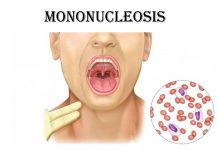
Sore throat: A sore throat is that symptom which you mustn’t miss when it comes. If you start to feel sore around your throat after you’ve noticed some of the above symptoms, you would like to see your doctor for a test.
Fatigue: Tiredness and general fatigue is a common sign that something is wrong with your body. Often we overlook it as just a minor problem. HIV, at its early stages, might be the cause of persistent fatigue.
Swollen lymph nodes: The lymph nodes usually swell after the virus has begun to fight the body’s own lymphocytes. This is usually visible around the neck region, sometimes they feel like miniature lumps.
Mouth ulcers: Mouth ulcers are glaring in the case of an HIV infection, though they aren’t serious in some cases.
Joint pain: Joint pains, sometimes accompanied by aching bones, may be signs of other disorders. This is why it is misleading to only watch for symptoms to determine your HIV status. If you notice any of the symptoms discussed above, please visit your physician for advice. They would prescribe an HIV test for you before any treatment can be administered.[5]