
7Vitamin C
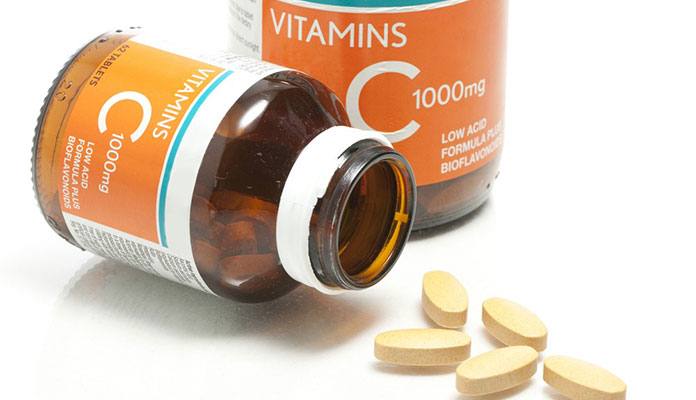
L-ascorbic acid, often known as vitamin C, is a water-soluble nutrient that can be naturally found in many foods, such as citrus fruits, tomatoes, strawberries, bell peppers, cruciferous veggies, and white potatoes. It plays a key role in many bodily processes. Despite mixed results, many studies have shown that taking vitamin C supplements can help reduce blood pressure. It is also suggested that those individuals with low levels of vitamin C in the blood are more likely to be at risk of high blood pressure than those with sufficient intake of this nutrient. [9]
Probiotics
Probiotics are comprised of live yeasts or bacteria that can naturally be found in the gut. They are important for digestion and immune function. Studies have suggested that taking probiotic supplements regularly may bring many health benefits, including reducing high blood pressure. More specifically, those who take in probiotics had an average drop of around 3.6 and 2.4 mm Hg in systolic blood pressure and diastolic blood pressure, respectively, in comparison with those who have sufficient probiotics in their gut. [10]