
8Diet and Nutrition
From the food consumed to the drugs and vitamin intake, the items you ingest can put your body at the peril of the symptoms of bipolar disorder or make it better. Studies have proven that there is a link between your mood and what you eat.
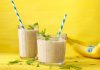
For elevated mood levels, ensure you eat more vegetables, fresh fruits, and whole grains while limiting your sugar and fat intake. Consuming high carbs can lead to mood crashes and should be avoided at all costs. Other foods that are known to cause mood damages are caffeine, chocolate, and processed foods.
Increasing your Omega-3 fatty acids may lead to declining mood swings experienced in bipolar disorder. Eating food such as sardines, salmons, canola oil, pumpkin seeds, flaxseed, and walnut may be beneficial to improve your mood. Also, you may take Omega-3 fatty acids as a nutritional supplement.
More so, you should stay away from drugs such as ecstasy, cocaine, and amphetamines, which may trigger mania. Using tranquilizers and alcohol, on the other hand, may trigger depression. [8]