
6Whipple’s Disease Diagnosis
It is rather challenging to diagnose Whipple’s disease because symptoms are quite similar to those of other common problems, such as neurological disorders and celiac disease. Your healthcare provider might need to do some tests to rule out these conditions before making a diagnosis:
– Blood tests: A complete blood count can be done to find out whether your amounts of albumin or the number of red blood cells are low. Both are typical signs of anemia, which indicates the presence of Whipple’s disease.
– Biopsy: A doctor will remove tissue from the intestinal walls to check for T. whipplei bacteria.
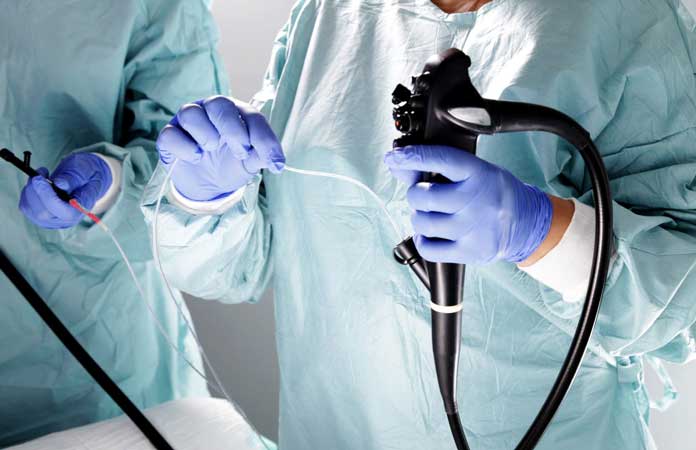
– Endoscopy: In this procedure, your doctor will insert a small tube into the small intestine. The attached camera then enables him to look for any possible symptoms of Whipple’s disease.
– Polymerase chain reaction: This is a highly sensitive test that aims at amplifying the DNA of the T. whipplei from tissue samples. The results can confirm the presence of the T. bacteria. [6]