
8Medications
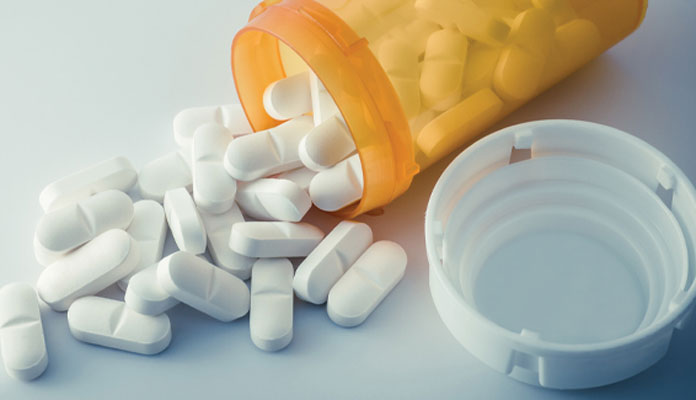
Many medications can help relieve pain and improve common symptoms of pseudogout. These include:
– Colchicine: With low-dose pills, you can relieve pain caused by pseudogout. For those people with frequent attacks, a doctor might suggest a daily intake as a preventive measure.
– Nonsteroidal anti-inflammatory drugs or NSAIDs: Common options include indomethacin and naproxen. They can alleviate inflammation, thus relieving pain caused by pseudogout. Possible side effects include stomach bleeding and reduced kidney function, particularly in the elderly.
– Corticosteroids: When colchicine or NSAIDs is not suitable for you, corticosteroids can be a good option. They help alleviate inflammation and prevent an attack. However, taking these drugs in the long run would increase the risk of obesity, diabetes, cataracts, and weakened bones.[8]