
7Papular Eczema Diagnosis
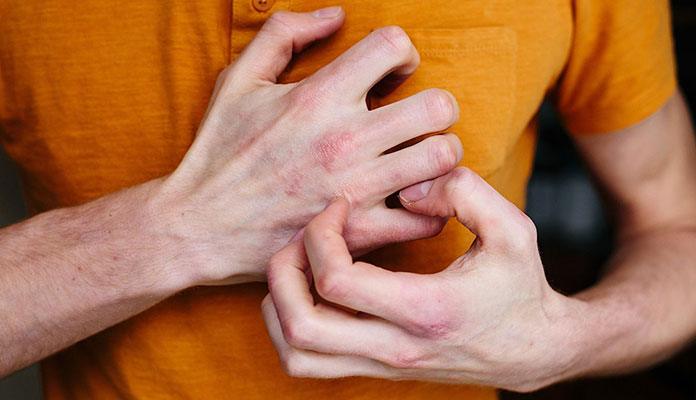
To diagnose papular eczema, you need to visit a dermatologist. In general, this can be done by a physical exam of the skin and several questions about your symptoms, affected areas, and a family history of related conditions. The provided information may be enough to make a diagnosis. Otherwise, the doctor has to do a skin biopsy to verify the presence of papular eczema. During this procedure, a small skin area is numbed and then removed for further analysis in the lab. [7]
Treatment Options for Papular Eczema
While papular eczema cannot be cured, some treatment options can help manage the symptoms. These include:
– OTC creams can help prevent infections and alleviate itching.
– Prescription ointments or creams, such as skin barrier products, topical calcineurin inhibitors, PDE4 inhibitors, and steroids.
– Biological drugs can be infused to target parts of your immune system that leads to inflammation.
– Phototherapy for severe cases of eczema. This procedure involves the use of Ultraviolet B Light to alleviate inflammation and itching, prevent bacteria on the skin, and boost the production of vitamin D. [8]