
Chronic Venous Insufficiency – Causes, Symptoms, Diagnosis and More

10Medications and Lifestyle Changes

The following medications may be prescribed to help treat chronic venous insufficiency:

– Antibiotics: These medications may help treat infected ulcers caused by venous insufficiency

– Diuretics: Doctors may prescribe these drugs to remove excess water and reduce swelling linked to venous insufficiency

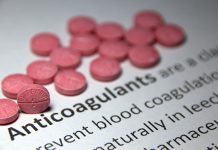
– Anticoagulants or blood-thinning medications may help reduce blood clots

– Pentoxifylline: This medication can be taken with compression therapy to help venous ulcers recover more quickly [10]

In addition to medical treatments, some lifestyle changes may help with chronic venous insufficiency. These include:

– Avoid sitting or standing for an extended period of time

– Elevate your legs above the heart level to alleviate pressure and swelling, as well as boost blood flow

– Work out more regularly, especially those targeting the calf muscles

– Wear compression stockings [11]

Related Articles

10 Blood Clot Leg (Deep Vein Thrombosis) Treatments

Ailments & Conditions
Blood clots can be a very dangerous and fatal condition. This lump-like collection of plasma and blood platelets is often formed due to a lack of activities or obesity. They are mostly formed in your leg, but can also...

10 Common Blood Clot Leg (Deep Vein Thrombosis) Symptoms

Ailments & Conditions
Clotting is an important process which could prevent your body from losing too much blood when you are cut or injured. However, when it occurs inside your vein in the legs, also known as deep vein thrombosis, this could...

Varicose Veins – Causes, Symptoms & Treatment

Ailments & Conditions
What Are Varicose Veins? Varicose veins are twisting and swollen veins that usually show up on the feet and legs. They occur when the valves in these areas do not work as usual, which eventually affects the blood flow. In...

Blood Transfusions: Things You Should Know

Your Health
What Is Blood Transfusion? Blood transfusion is the procedure of transferring blood into the vein of a human recipient. This can be done by taking blood from a blood bank or directly from a donor. In general, a blood transfusion...

10 Ways to Remove Varicose Veins

Your Health
Varicose veins happen when your veins get enlarged and swollen. This may lead to discomfort and pain. Approximately 1 out of 5 adults may experience this health issue at some point in their life. Many medical treatments and home...

10 Common Symptoms of Thrombosis

Ailments & Conditions
Thrombosis is a health issue in which a blood clot forms below the skin's surface. The thighs and legs are the most commonly affected parts of the body. In most cases, you may have swelling and pain, but it...

Common Treatments for Venous Thrombosis

Ailments & Conditions
Venous thrombosis happens when a blood clot occurs in the deep veins. It often affects the legs and leads to swelling or pain. Some medical conditions may be the cause of this problem. The risk is especially high after...

How to Prevent Blood Clots

Your Health
A blood clot occurs when a clump of blood changes from the liquid form to a semisolid form. This is a necessary process that keeps the body from losing too much blood during an injury or wound. However, when...