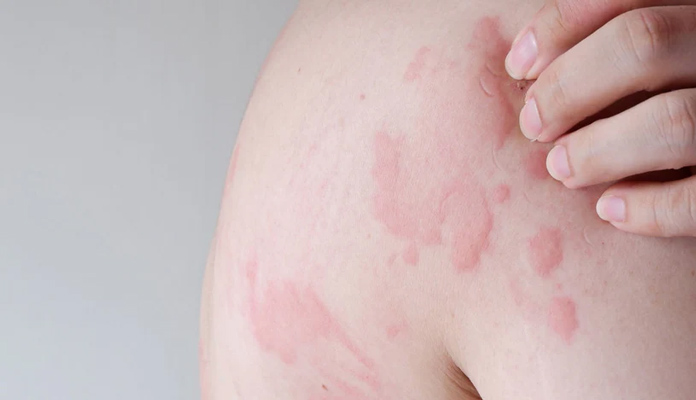

2Acute Versus Chronic Hives
Autoimmune hives can be either acute or chronic:
– Acute hives typically begin to fade within 1 to 2 days and completely disappear within 6 weeks. However, new hives would occur and replace old ones. Acute hives may be caused by a recent viral infection.
– Chronic hives may cause visible symptoms at least two time a week for more than 6 weeks. In some cases, they would last up for months or years. The underlying cause is typically unclear. [3]
Causes of Autoimmune Hives
In general, the immune system protects the body by attacking foreign invaders, such as viruses, bacteria, or fungi. But in people with autoimmune hives, this system identifies healthy cells and tissues in the body as dangerous factors and attacks them instead. It is commonly reported that thyroid condition tends to concur with chronic hives. The same goes for type 1 diabetes and rheumatoid arthritis. Other autoimmune diseases may also increase the risk, such as celiac disease, lupus, diabetes, dermatomyositis, vitiligo, thyroid disease, rheumatoid arthritis, and polymyositis. [4]