
4Lower GI Series and Upper Endoscopy
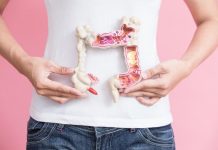
In the lower GI series, your healthcare provider will look for possible blockages in the intestines by using a series of X-rays. Before the procedure, barium should be inserted into this area through a tube in the anus. This component can make the intestinal area more visible on X-rays. In most cases, you might need to undergo an enema and liquid diet before the test. A sedative can be used to make you feel comfortable. One or two days after the lower GI series, you would experience some discolored stools and discomfort. [4]
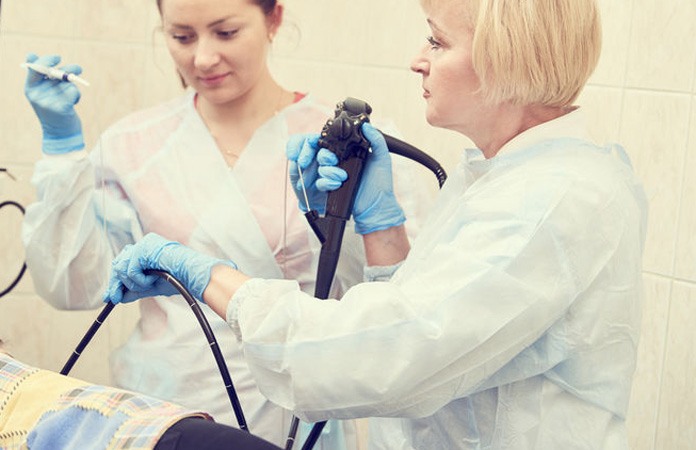
Upper endoscopy involves the inserting of a long, flexible tube into the esophagus, which connects the stomach and the mouth. A camera is attached to the end of the tube to help the doctor examine the upper digestive tract as well as get a tissue and fluid sample in the small intestine. In general, this procedure is recommended when the doctor suspects celiac disease. You may need to avoid drinking or eating anything several hours before an upper endoscopy. [5]