
4Exercise Recommendations in Each Trimester of Pregnancy
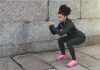
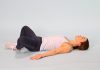
Overall, most exercise guidelines do not change a lot in different trimesters of pregnancy. However, it is important to make proper modifications when the fetus develops, especially pilates and yoga. This is because the weight and size of the belly would increase pressure on the back. Keep in mind that low impact exercises, such as walking or jogging, may also lead to more strain on the muscles and low back when the pregnancy progresses.
– First trimester: Fatigue and morning sickness can make it hard to do exercise regularly.
– Second trimester: Avoid exercises that may increase the risk of falling or put too much pressure on the back. Focus on activities that increase the strength of the pelvic floor muscles. [4]
– Third trimester: The relaxin (RLX), a peptide hormone, would make the cervix and ligaments relaxed, which would make you at a higher risk of join pain or injury. It is better to do low impact exercises, such as walking or swimming.
Warning Signs to Know When Doing Exercises During Pregnancy
While most low or moderate impact exercises are safe for pregnant women, there may be several risks. Some warning signs that you should never ignore include headache, chest pain, fainting, dizziness, painful contractions, quick heartbeat, regular uterus contractions, bleeding in the vagina, muscle weakness, abdominal or pelvic pain, muscle weakness, shortness of breath, or calf pain or swelling. If you notice any of these signs, stop exercising immediately. If necessary, discuss with your doctor to get the best advice. [5]