
Stages of Chronic Venous Insufficiency

47 Stages of Chronic Venous Insufficiency

Based on C classifications, there are 7 stages of chronic venous insufficiency. These include:

– Stage C0: There are no visible symptoms, such as notable veins or swelling. You may follow some lifestyle changes, such as a healthy diet or exercise, to slow the progression.

– Stage C1: Symptoms begin to appear. These include visible veins and visible blood vessels with varying sizes. At this stage, it is recommended to wear compression bandages, boots, or stockings.

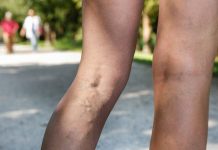
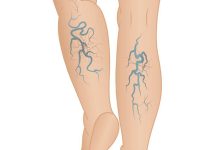
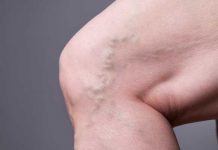
– Stage C2: Varicose veins start to occur. These enlarged veins can be noticed when they protrude under the skin. You need to keep wearing compressing stockings and work out a lot. Other medical treatments for this stage may include sclerotherapy and endovenous ablation.

– Stage C3: You may start to notice edema, which is swelling in the legs due to water retention. There are no skin changes at this stage.

– Stage C4: Skin changes start to occur with swelling. This stage can be further divided into three substages.

+ Stage C4a: There are changes on the skin surface. You may experience itchy and red skin with small markings in gray or brown color.

+ Stage C4b: More noticeable changes can be noticed on the skin. For instance, the texture may become thicker or harder and scar marks may appear along the legs. There would be pain as well.

+ Stage C4c: Visible blood vessels and veins can be noticed around the ankles.

– Stage C5: Ulcers may start to appear. The main goal of treatment at this stage is to reduce varicose veins and swelling to prevent further ulcers.

– Stage C6: Ulcers may occur on the legs. You need specialized dressings and medicated creams to heal these open wounds on the skin. If left treated, they may result in severe complications, such as an infection. [4]
Related Articles

10 Blood Clot Leg (Deep Vein Thrombosis) Treatments

Ailments & Conditions
Blood clots can be a very dangerous and fatal condition. This lump-like collection of plasma and blood platelets is often formed due to a lack of activities or obesity. They are mostly formed in your leg, but can also...

10 Common Blood Clot Leg (Deep Vein Thrombosis) Symptoms

Ailments & Conditions
Clotting is an important process which could prevent your body from losing too much blood when you are cut or injured. However, when it occurs inside your vein in the legs, also known as deep vein thrombosis, this could...

Varicose Veins – Causes, Symptoms & Treatment

Ailments & Conditions
What Are Varicose Veins? Varicose veins are twisting and swollen veins that usually show up on the feet and legs. They occur when the valves in these areas do not work as usual, which eventually affects the blood flow. In...

Blood Transfusions: Things You Should Know

Your Health
What Is Blood Transfusion? Blood transfusion is the procedure of transferring blood into the vein of a human recipient. This can be done by taking blood from a blood bank or directly from a donor. In general, a blood transfusion...

10 Ways to Remove Varicose Veins

Your Health
Varicose veins happen when your veins get enlarged and swollen. This may lead to discomfort and pain. Approximately 1 out of 5 adults may experience this health issue at some point in their life. Many medical treatments and home...

10 Common Symptoms of Thrombosis

Ailments & Conditions
Thrombosis is a health issue in which a blood clot forms below the skin's surface. The thighs and legs are the most commonly affected parts of the body. In most cases, you may have swelling and pain, but it...

Common Treatments for Venous Thrombosis

Ailments & Conditions
Venous thrombosis happens when a blood clot occurs in the deep veins. It often affects the legs and leads to swelling or pain. Some medical conditions may be the cause of this problem. The risk is especially high after...

How to Prevent Blood Clots

Your Health
A blood clot occurs when a clump of blood changes from the liquid form to a semisolid form. This is a necessary process that keeps the body from losing too much blood during an injury or wound. However, when...