
7How to Cope with Spasticity after a Stroke
Below are some lifestyle tips to help you manage the symptoms of spasticity after a stroke and improve the quality of your life:
– Adjust the posture: avoid remaining in a fixed position too long as it would cause joints and muscles to become sore and stiff
– Stretch or exercises the affected parts: keep the affected areas of the body moving to help alleviate tightness, improve the range of motion, and prevent shortening muscles. If necessary, you may seek help from an occupational or physical therapist
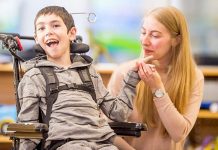
– Use some mobility aids, such as walkers, wheelchairs, or braces, to help you move around easily
– Provide support for affected legs or arms to make you feel more comfortable. For instance, avoid putting your legs or arms fall off the wheelchair or the side of a bed. Also, do not put these affected limbs under the body when lying or sitting
– Make some changes in your living space to make it easier to move and do tasks. These may include having a bench in the shower or tub, installing raised seats in the toilet, installing grab bars in the bathroom, installing ramps to doorways, or having plastic adhesive strips on the tub bottom
– Ask for help from your loved ones, family, and friends. They would help you with daily tasks and encourage you to participate in daily life and exercises
– Work with a physical or occupational therapist to learn effective strategies to cope with spasticity after a stroke, such as how to get dressed, change your eating habits, move around, and so on [7]