
8ECG for Sinus Arrhythmia
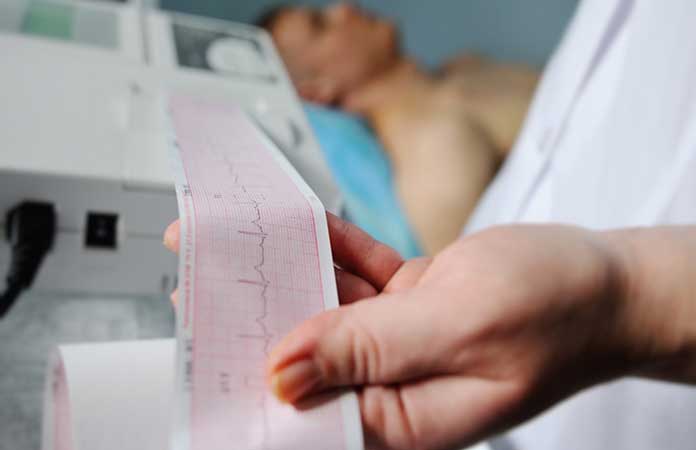
An electrocardiogram, also known as an EKG or ECG, is the most common technique for diagnosing sinus arrhythmia. During this procedure, some electrodes are attached to the legs, arms, and chest to measure and produce pictures of the heart’s electrical activity. The results suggest whether your electrical activity is abnormally irregular, slow, or fast. The test could also indicate whether the heart has poor blood flow or is enlarged. You can take an ECG when exercising on a treadmill or stationary bicycle or when you are resting. There is also no risk with this diagnostic procedure. [8]