
10Thrombolytic Therapy
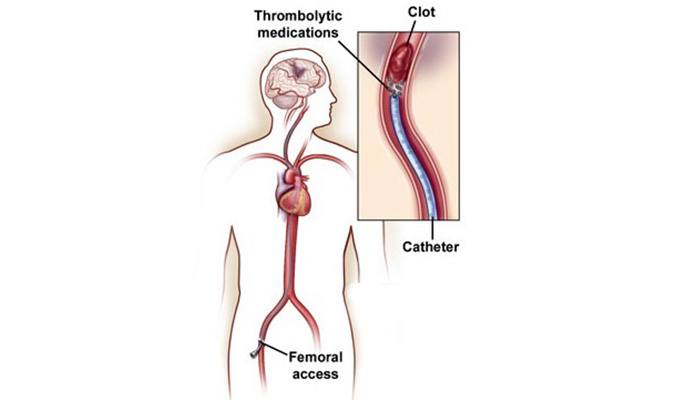
When a pulmonary embolism progresses and becomes too big, it would lead to some serious complications, such as shock, chest pain, and extreme shortness of breath. In these cases, a thrombolytic therapy or clot buster can be suggested. This method involves the taking of a clot-busting drug to actively break up the clot and restore circulation. It is usually followed with anticoagulation therapy. There are some risks of bleeding, so doctors tend to use it only when the condition becomes life-threatening. A few thrombolytic components that are usually used include urokinase, streptokinase, and alteplase. [10]