
8Treatment Options and Long-Term Outlook for Nephroptosis
Nephroptosis is a harmless condition that does not cause any symptoms in most cases. You only need treatment when symptoms occur and affect your daily life or overall health. In the past decades, common treatment options for this disease include abdominal exercises, abdominal bandages or corsets, frequent lying down, as well as weight gain. However, studies have shown that these options are not so effective in improving the symptoms of nephroptosis. That’s why doctors do not recommend them anymore.
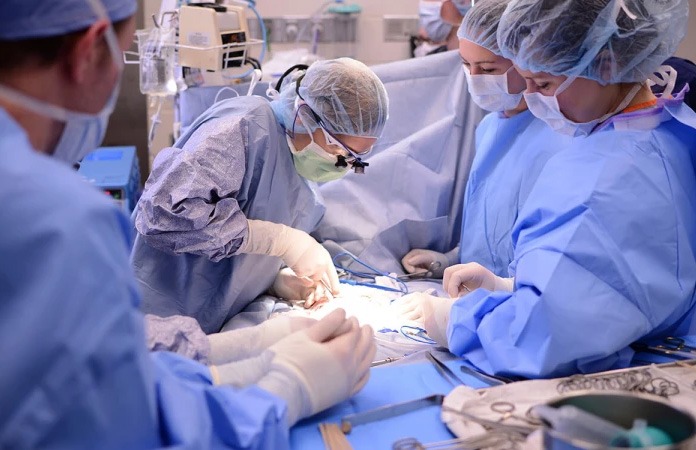
These days, the main treatment for nephroptosis is laparoscopic nephropexy. In this surgical procedure, the floating kidneys will be put back to the original position through small incisions with the help of a camera. It is a minimally invasive treatment that should be done under anesthesia. The whole procedure may take around 45 to 60 minutes. After that, you may need to stay in the hospital for a few days. Before starting this treatment, it is important to discuss with your doctor to be informed about the possible side effects and risks of this surgery. Studies have shown that there are no major complications associated with laparoscopic nephropexy. Many people reported an overall improvement in their quality of life, a reduced risk of urinary tract infections, and a significant reduction in pain after the procedure. [8]
In most cases, nephroptosis is quite harmless and does not cause any symptoms. Therefore, you may not require any medical treatment. When symptoms occur, your doctor may suggest a surgical procedure called laparoscopic nephropexy to help improve the condition. This treatment is generally effective and safe for most people. You may experience pain during relief. It is still unknown how long it will last, but make sure to talk with your doctor to seek proper support. [9]