
Myoclonic Seizure – What It Is, Symptoms & Treatment

4How to Diagnose Myoclonic Seizures

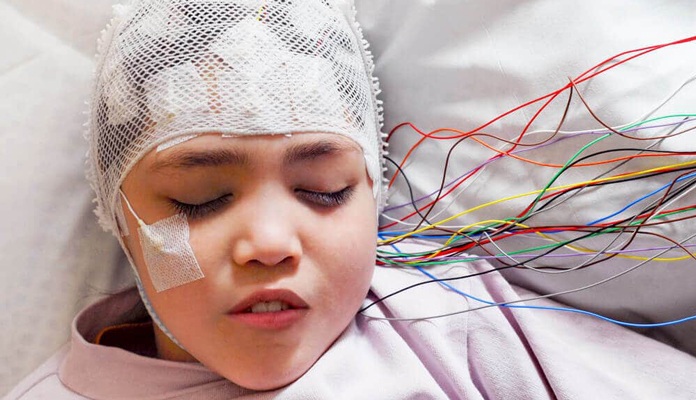
An electroencephalogram or EEG is the main method to diagnose a myoclonic seizure. In this procedure, electrical activity in the brain is measured to detect abnormal activity patterns that suggest any possible issues with brain functions. Another similar test is the video-EEG, which records both the EEG and movement at the same time. To verify or rule out other possible causes, your doctor may also need to do other tests. These include:

– A spinal tap or lumbar puncture

– A MRI or CT scan

– Blood tests to identify infections, blood chemistry and metabolic imbalances [4]
Related Articles

6 Non-Negligible Facts About Children’s Seizures

Ailments & Conditions
Seizures are simply changes in normal brain electrical activities. The nerve cells that send regular controlled signals are now stimulated and excited and sending more signals at the same time. This abnormal excitation lasts from few seconds to few...

Partial Seizures (Focal Seizures) Guide – 10 Facts to Know

Your Health
What Is a Partial Seizure? Partial or focal seizures are a form of seizures characterized by involuntary changes in movement or consciousness in a small area of the brain. Unlike other types, abnormal electrical activity in partial seizures only affect...

Muscle Cramp: Symptoms, Causes, Diagnosis, Treatment and Prevention

Ailments & Conditions
Muscle Cramp and Commonly Affected Muscles A muscle cramp is an involuntary and sudden contraction of muscles in the body. This condition is mostly harmless, but it would lead to severe pain in the affected area. As a result, you...

Multiple Sclerosis (MS) Tremors – Symptoms, Causes, Treatment and More

Ailments & Conditions
Multiple Sclerosis and Tremors in Multiple Sclerosis Multiple sclerosis is a chronic disease that affects the central nervous system. In people with this condition, the immune system mistakenly attacks myelin, the protective layer around your nerve fibers. This leads to...