
6Risk Factors
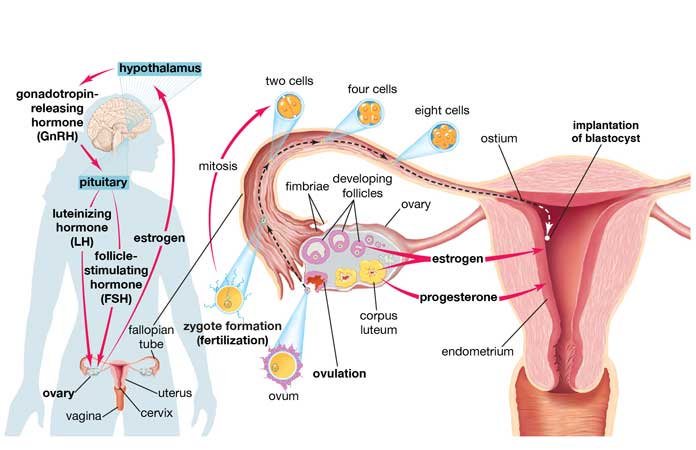
Risk factors of menorrhagia can vary with age and existing medical conditions. In people with usual menstrual cycles, the release of eggs from the ovaries would stimulate the production of progesterone in the body. This hormone plays a key role in regulating normal periods. When this process does not occur or happens later than normal, heavy bleeding might be caused by insufficient progesterone. Adolescence is more susceptible to this problem, which is also known as anovulation. Menorrhagia in older people is often associated with uterine pathology. [6]