
7Family History
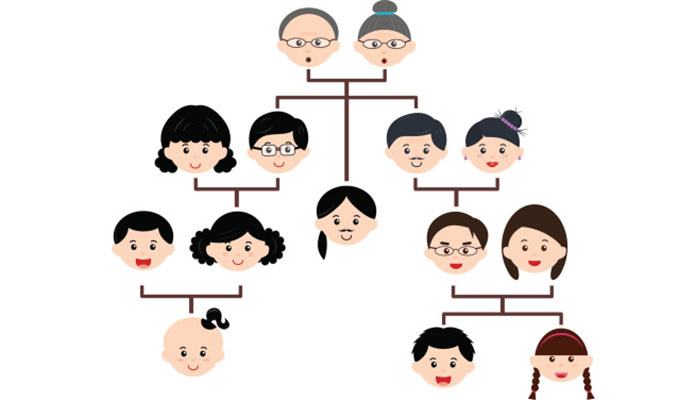
People with a family history of kidney cancer are often at a higher risk of developing this condition. The possibility is especially high if you have a sister or brother with this cancer. It is not clear whether the cause comes from shared genes or shared environment where they grow up together. Some special genetic tests would determine the possible risks of this inherited condition. So, if your relative or family member used to suffer from kidney cancer, it is better to consult your doctor about genetic testing and counseling. [7]
Smoking
Pipe tobaccos, cigars, cigarettes, and similar products would increase the risk of developing kidney cancer. The more you smoke, the higher the risk might be. These harmful effects can be directly attributed to the complex combination of chemicals from burning tobacco and other additives. There are thousands of components that would trigger cancer in cigarettes, including nicotine, lead, arsenic, formaldehyde, hydrogen cyanide, benzene, and more. In addition, these substances would lead to many other health issues, such as lung disease, heart disease, and digestive problems. While the risks would drop when you quit smoking, it often takes many years to get back to the normal condition as non-smokers. [8]

Medicines
The use of some drugs would also trigger the development of kidney cancer. Some studies have shown that water pills or diuretics might increase the risks of this condition if taken excessively. It is not obvious if the cause is the high blood pressure that the drug treats or the medication itself. Another possible cause is phenacetin, which is a common non-prescription painkiller. Taking this drug too much would lead to some genetic changes in your body, including the kidneys. [9]

6 Treatments for Kidney Cancer
Surgery
Surgery is a major treatment option for most cases of kidney cancer. The main goal is to remove the tumor and preserve the normal functions of your kidneys. There are often two surgical procedures for this health condition. A nephrectomy will remove the whole affected kidney, including nearby tissues and glands. Another option is a partial nephrectomy or kidney-sparing surgery. This process only removes the tumor from the affected kidney. This is often a better choice as it would reduce the risks of complications. After surgery, some follow-up sessions are needed. [10]

Cancer Cell Heating or Freezing
Radiofrequency ablation and cryoablation are possible alternatives to surgery. Both options are used to destroy cancerous cells in your kidneys, but the procedures are different. In cryoablation, a hollow needle is used to send cold gas for freezing or cooling down the cancer cells. In contrast, radiofrequency ablation uses an electrical current to burn or heat up the tumor. These techniques might benefit certain people and can be a good option for those who have small tumors or cannot undergo surgery. [11]
Chemotherapy
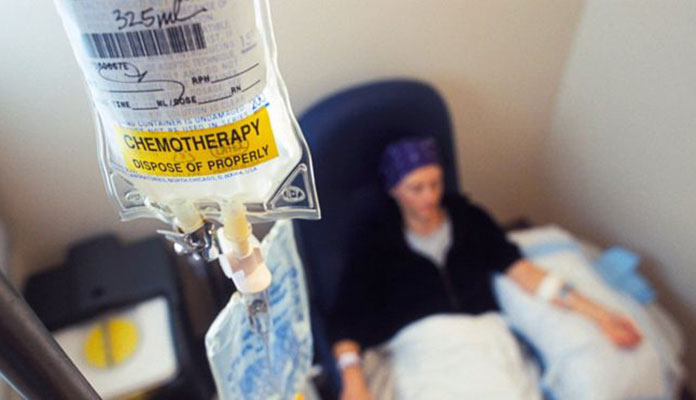
Chemotherapy uses anti-cancer medications which are taken as pills or given into your vein. These drugs penetrate the bloodstream and reach most body parts, making it a great option for those people whose cancer has spread to other organs. However, this isn’t a standard option for kidney cancer as kidney cells often don’t respond to chemo well. Some common chemo drugs include vinblastine, 5-FU, floxuridine, gemcitabine, and capecitabine. In most cases, it is usually used after immunotherapy and targeted drugs have been tried. [12]
Targeted Therapy
Targeted therapy can block some abnormal signals in kidney cancer cells which enable them to grow. It combines different drugs to bring the best effects. Some common targeted drugs include cabozantinib, axitinib, bevacizumab, sunitinib, pazopanib, and sorafenib. They could prevent some blood vessels from nurturing cancer cells, thus preventing them from spreading. However, the use of many drugs at the same time would lead to some possible side effects. Therefore, make sure to follow the instructions of your doctor and take the right dosages to minimize these effects. [13]
Radiation Therapy
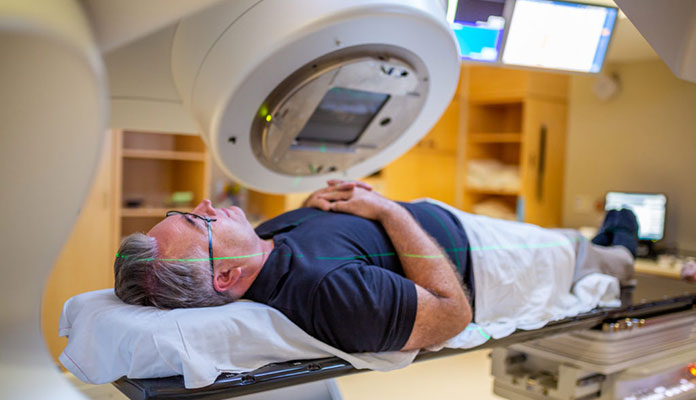
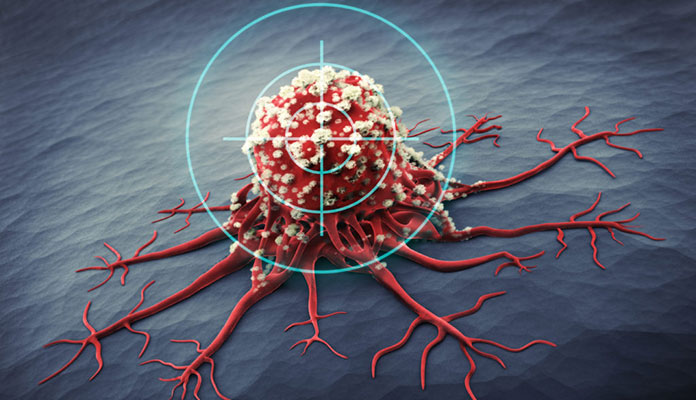
In radiation therapy, your doctor will use high-powered energy beams like X-rays to get rid of cancer cells in the kidneys. However, this method isn’t as effective as other primary treatments. It is often used in combination with other options to alleviate the symptoms of cancer which has spread too many body parts. There might be some possible side effects, such as skin changes, hair loss, tiredness, diarrhea, and nausea. [14]