
3Fatal Complications of Crohn’s Disease
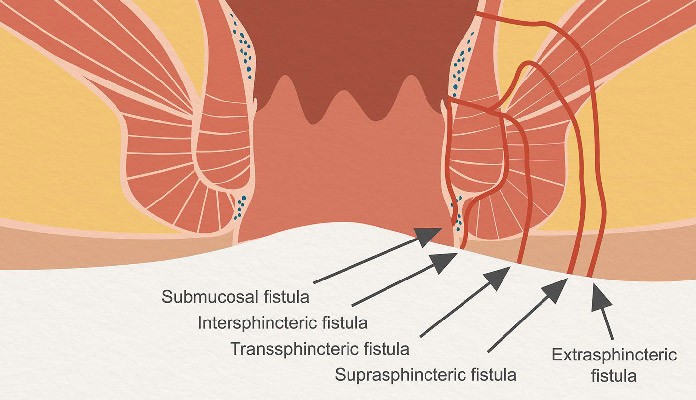
Fistulas
A fistula is an unusual passageway that links organs together. It occurs when inflammation caused by Crohn’s disease spreads to the intestinal wall and forms an abscess, which grows in size and creates a small hole in the wall. Depending on the affected area, fistulas may cause different symptoms, such as diarrhea, vomiting, nausea, frequent infections in the urinary tract, and abdominal pain. About 25 percent of people with Crohn’s disease have fistulas. This complication would increase the risk of sepsis and malnutrition, which can be fatal if left untreated. Antibiotics are typically prescribed to treat fistulas as they typically contain bacteria. For large and persistent cases, surgery may be necessary. [3]