
6Pineal Gland Tumors
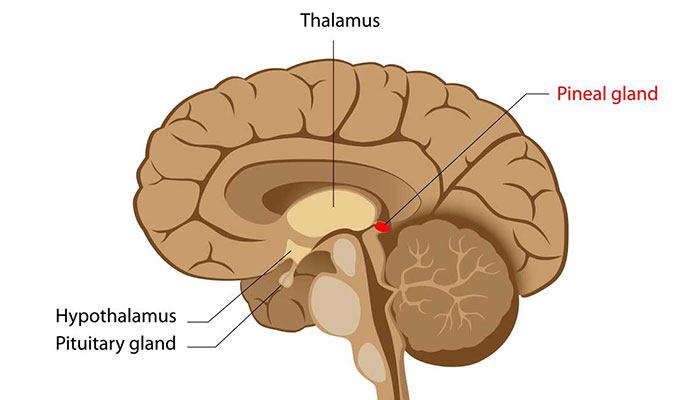
Pineal gland tumors are rare. In fact, no more than 1 percent of tumors in the brain happens in this area. However, the percentage is higher in children and young adults. In general, pineal cell tumors can be divided into three main forms:
– Pineocytoma: grade II tumors, growing slowly
– Pineoblastoma: grade III or IV tumors, growing more aggressively
– Mixed pineal tumors: difficult to classify, containing a combination of different cell types
These tumors might grow big enough to block the normal cerebrospinal fluid flow in the ventricles. Luckily, they rarely metastasize to other body parts. Typical signs when a tumor develops in the pineal gland include vomiting, nausea, headache, or reduced eye movements. Some possible treatment options include radiation, chemotherapy, and surgery. [6]