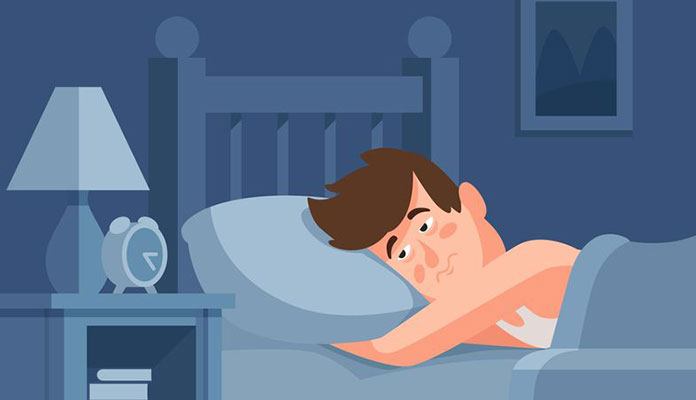

6Sleep Deprivation
Sleep deprivation, meaning that having too little sleep, can be a major trigger for most types of seizures. These changes in your daily sleep schedule can affect how the brain works and functions. As a result, the production of some important hormones or neurotransmitters would be severely reduced. Most experts suggest having at least 8 hours of sleeping on a daily basis. Children and older people should sleep more to ensure good health condition. Keep in mind that you should make your sleep restful by creating a comfortable environment, going to bed early rather late, as well as avoiding any stimulate before bedtime, such as coffee, foods, playing games, and watching movies. Sleeping well will improve your brain’s functions, thus minimizing the risks of electrical problems in the cognitive system. [6]